| |
4 MIN READ

印刷是想法、概念和夢想的物理表達。印刷的歷史是一門工藝、一項貿易、一個工業和一種生活方式的故事。它引發了革命,傳播了上帝的話語,並激發了群眾。它擁有豐富的國際歷史,跨越各大洲和時代的文化,幾個世紀以來一直被用於藝術品、小冊子、書籍和報紙。然而,在過去 40 年裡,沒有什麼能逃脫數字化進程,在一代人的時間裡,許多人認為印刷作為一門藝術和工業已經走到了盡頭。新流程更快、更清潔、更高效,既然可以按按鈕,為什麼還要按呢?

留下我們的印記 - 原始印刷

至少從公元前 3000 年起,我們就已經留下了自己的印記,當時我們將圖像壓入粘土中,在紙張開發和使用之前將圖案印在布料上。在使用金屬進行印刷之前,人們使用粘土和木材進行雕刻,技術精湛,精度高,從簡單的字符到復雜和分層的設計。樹液、煙灰、動物血液和膠水中的任何東西都被用來製作看似原始的圖像。儘管它們乍一看很簡單,但這些圖像只能被描述為人類在設計工作中的第一次嘗試,它們不僅僅是偶然創造出的漂亮圖案。圖像在被刮擦或雕刻成塊之前必須經過深思熟慮,它們產生鏡像的事實使事情變得更加複雜。儘管傳統技術產生了引人注目的圖像,並且至今仍被藝術家和插畫家使用,但隨著全球識字需求的增長,傳統技術開始衰落。

凸版印刷——用汗水、墨水和肌肉使文字變得有血有肉。

在 15 世紀凸版印刷術出現之前,書面交流非常有限且耗時。每一頁都必須單獨雕刻在一塊單獨的木頭上,或者由隱居的僧侶精心書寫。實體書被製作出來,但通常僅限於 50 頁。由於某些文本的稀缺,它們在公共場所受到看守,被鎖起來或鎖在金庫裡。毫不誇張地說,知識是由少數人守護的!直到中世紀凸版印刷機的發明,書面交流的進步才真正開始成形。然而,在 1400 年代,古騰堡發明了一些對世界產生與數百年後萬維網的發明一樣大影響的東西。

“到 1500 年,凸版印刷已經達到了高度完美的狀態。它開創了現代書籍,甚至現代世界。”

Common Press 的歷史可追溯至 1720 年。

古騰堡印刷機的工作原理是將墨水滾過可移動的手工設置的大寫字母的凸起表面,這些大寫字母固定在木框內,然後將其壓在一張紙上。作為一名訓練有素的金匠,他發明了一種鑄造活字印刷術的方法。不再需要重新雕刻每個短語或句子,而是可以將可重複使用的金屬字符排列在排字棒上,然後放置在印刷機中進行上墨。這些字符可以一次又一次地使用,使出版商能夠以比以往更快的速度製作相同文本的多個副本。

凸版印刷代表了人類體力勞動與人類思想的完美結合。哲學、故事、科學發現和歷史不再需要通過口口相傳。凸版印刷代表了大眾傳播以及“下層階級”的教育和娛樂的第一步。一個例子是俏皮文學的流行。在凸版印刷出現之前,它是富人的專利,手寫手稿由少數人小心翼翼地守護著。印刷機使得色情小說和回憶錄得以廣泛流通,引起了上層階級的憤怒。這種擔憂也蔓延到了政治舞台,法國大革命和美國獨立運動期間的小冊子幫助動員了“偉大的未洗禮的人”。

“好的設計並不便宜。廉價的設計是沒有好處的。”
埃里克·斯皮克曼

隨著工業革命和蒸汽動力的開始,輪轉印刷機發明了。再加上可連續進紙的捲筒紙的引入,印刷生產水平達到了新的高度。大量印刷的時代誕生了。

印刷作為大眾傳播形式的終結

物理印刷的終結反映了其他行業的命運,人手日益被計算機技術取代。地面上的屍體更少,效率更高,墨水乾燥速度更快。印刷作為一種可行的金融選擇,作為大眾傳播的工具已經消亡。當艦隊街的最後一台機器被關閉、出版社搬到沃平時,印刷的精神似乎已經熄滅了。墨水已經乾了。

“艦隊街的報紙上曾經有一個叫做“敲打”的傳統。它涉及到一位員工,在他一生堅定地為他選擇的抹布服務後退休的那天,他的同事們陪著他穿過印刷室的印刷機。當他帶著馬車時鐘走向他的集合地點時,印刷商們用錘子敲擊金屬長凳,為他唱小夜曲,敲打著儀式性的緩慢進行曲,以紀念他的離開。吉姆·懷特

木製凸版印刷塊。

我們不太可能回到工廠車間進行大規模印刷的時代,但為特殊場合生產高質量印刷品的小批量凸版印刷設備肯定有所增加。印刷是一門手藝和一項技能,由全國各地一群專注、熱情的藝術家、設計師和工匠保持活力。從 Eric Speikrmann 和Alan Kitching等知名印刷商和印刷商,到Cotton Letterpress等小型凸版印刷專家。傳統印刷的文字帶有完整性的印記,充滿了嚴肅性。它比數字圖像更難扔掉,而不那麼容易被擦除。這種方法的體驗是高度觸覺的,不僅對於那些處理材料的人來說,而且對於那些生產材料的人來說也是如此。人們希望在生活中擁有物質性,想要製造事物並感受精心製作的事物。做一個標記,感受另一個人的手所做的標記。這麼多年過去了,這種媒介仍然具有相關性,但更重要的是,藝術家們正在尋找新的方式來使用舊方法。這個過程本身就是美麗的。人類的努力將文字、思想和精神結合在一起,這是一種對大腦痴迷的墨色表達。我們的勞動成果。

“靈魂居住在印刷者的字體中。”約瑟夫·埃姆斯

Making our Mark - Primitive Printing

We have been making our mark since at least 3000bc when we pressed images into clay, stamping patterns onto cloth before the development and use of paper. Before the use of metal in printing, clay and wood were used and carved with great skill and exactitude, producing simple characters to complex and layered designs. Anything from sap, soot, animal blood & glue were used to produce seemingly primitive images. As simple as they may first appear, these images can only be described as the first human attempts at design work, they were not simply pretty patterns created by chance. Images had to be thought out before they were scraped or carved into the block, the fact that they were producing mirror images made things even more complex. Although traditional techniques produced striking images and are still used today by artists and illustrators, they began to wane as the demands of literacy grew across the globe.

Letterpress - The Word Made Flesh with Perspiration, Ink, and Muscle

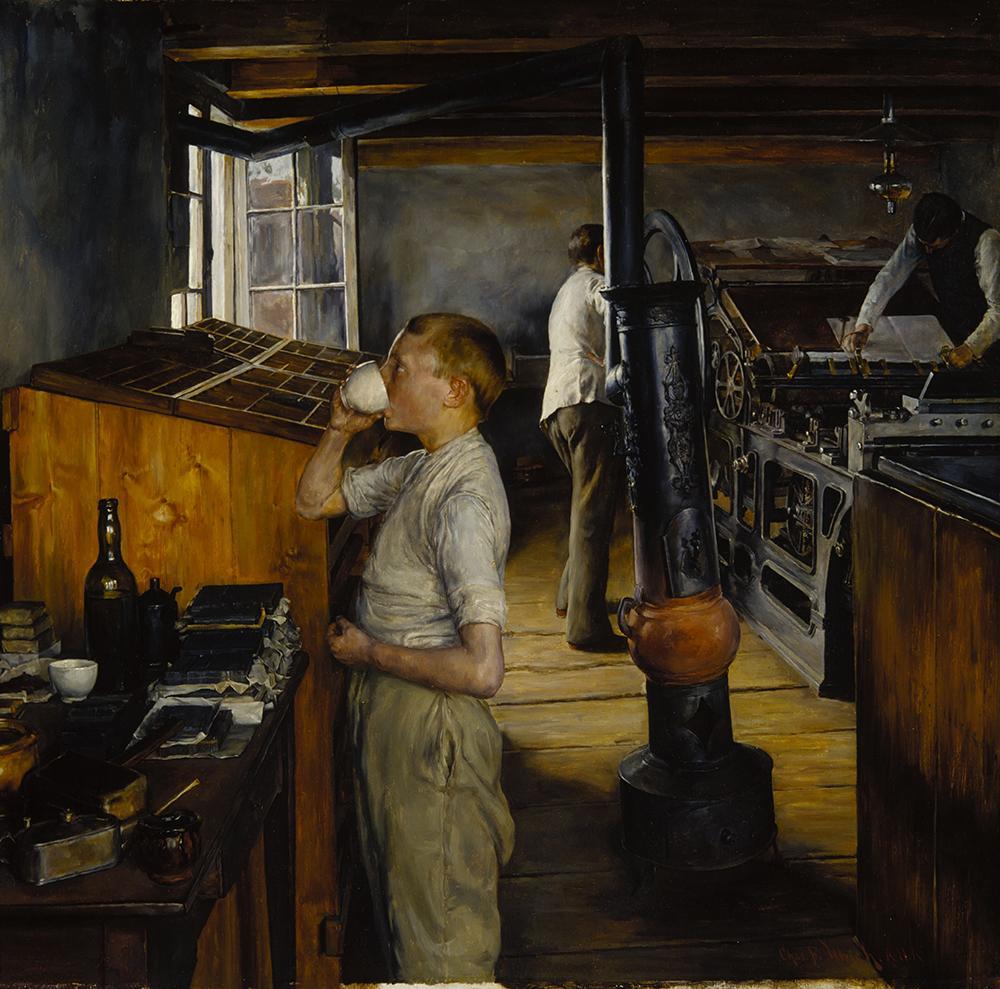
Before the introduction of the letterpress in the 15th Century, written communication was limited and time-consuming. Each page had to be carved individually onto a separate block of wood or painstakingly penned by cloistered monks. Block books were created, but these were usually limited to 50 pages. Due to the scarcity of some texts they were guarded in public places, chained up or locked in vaults. Knowledge was guarded by the few quite literally! It wasn't until the invention of the letterpress in the middle ages that the progress of written communication really started to take shape. In the 1400's however, Guttenberg invented something that had as much impact on the world as the invention of the world wide web hundreds of years later.

The Guttenberg press worked by rolling ink over the raised surfaces of moveable hand-set block letters which were held within a wooden frame, this was then pressed against a sheet of paper . A trained goldsmith, he devised a way of casting moveable type. No longer would each phrase or sentence be freshly carved, but reusable metal characters could be arranged on a compositor stick and placed within the printing press to be inked. These characters could be used again and again enabling publishers to make multiple copies of identical text at a much faster rate than ever before.

The letterpress represented the perfect combination of human physical labour coming together with human ideas. Philosophies, stories, scientific discovery and history no longer had to be handed down by word of mouth. Letterpress printing represents the first step towards mass communication and the education and entertainment of the 'lower orders'. An example of which is the rise in popularity of saucy literature. Before letterpress, it was the preserve of the rich and handwritten manuscripts were jealously guarded by the few. The printing press enabled the wide circulation of erotic novels and memoirs, causing outrage amongst the upper classes. This concern also spread to the political arena where pamphlets during the French Revolution and the campaign for American Independence helped to mobilise the 'great unwashed.'

“Good design is not cheap. Cheap design is no good.”
Erik Spiekermann

With the onset of the Industrial revolution and steam power came the invention of the rotary press . Coupled with the introduction of rolled paper that enabled a continuous feed, levels of printing production scaled new heights. The era of mass printing was born.

The End of Printing as a Form of Mass Communication

The end of physical printing mirrored the fate of other industries, the human hand increasingly replaced by computer technology. Fewer bodies on the ground, greater efficiency, and fast drying ink. Print as a viable financial option, a vehicle for mass communication was dead. When the last machines on Fleet St. were shut down and the press moved to Wapping, it seemed as though the spirit of print had been extinguished. The ink had run dry.

“There used to be a tradition in Fleet Street newspapers called "banging out". It involved an employee, on the day he retired after a life-time's stalwart service to his chosen rag, being walked by his colleagues through the presses in the print room. As he wandered towards his rendezvous with a carriage clock, the printers serenaded him by whacking the metal benches with their hammers, beating out a ceremonial slow-march to mark his departure.”
Jim White

It is unlikely that we will ever return to the days of mass printing on factory floors but there has certainly been a rise in small run letterpress outfits producing high-quality prints for special occasions. Printing is a craft and a skill that is being kept alive by a band of dedicated, passionate artists, designers and craftspeople across the country. From high profile printers and typographers like Eric Speikrmann and Alan Kitching to small letterpress specialists like the Cotton Letterpress. There is something about the traditionally printed word that is stamped with integrity, imbued with more gravity. It is more difficult to throw away than a digital image, not so easily wiped out. The experience of this method is highly tactile, not just for those handling the material but for those producing it too. People want physicality in their life, to make things and to feel things that have been made with care. To make a mark, to feel the mark that has been made by another human hand. After all these years the medium is still relevant, but more importantly, artists are finding new ways with which to use old methods. The process is beautiful in itself. Human endeavour bringing the word, mind and spirit, together, an inky expression of a cerebral obsession. The fruits of our labour.

“Souls dwell in printer's type.”
Joseph Ames